Appliance Repair or Replacement? How to Decide What’s Best
March 11, 2026

March 11, 2026

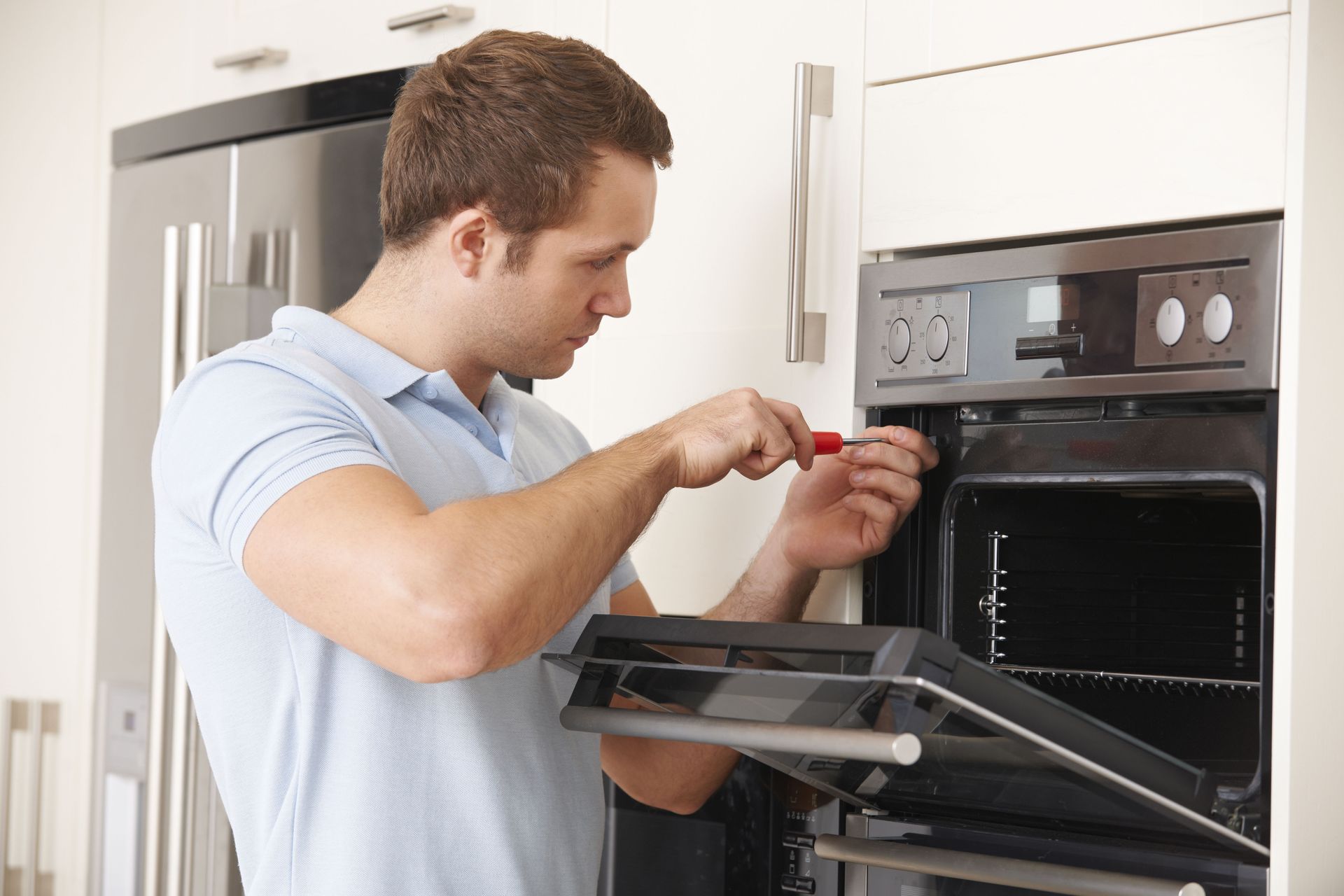
In today’s homes, appliances are central to daily life, making chores faster and routines smoother. From refrigerators to washing machines, these devices are expected to perform consistently. But when an appliance breaks down, homeowners are faced with a tough decision: should they invest in appliance repair or replace the unit entirely? Understanding the factors that influence this decision can save money, time, and frustration while ensuring your household continues to run efficiently.


Appliance failure often comes at inconvenient times, such as a refrigerator breaking during a heatwave or a washing machine failing before a big laundry day. Knowing how to weigh the benefits of repair versus replacement allows homeowners to act quickly and wisely. Making an informed choice can prevent recurring problems, reduce long-term costs, and ensure the household continues to operate smoothly.


How Do I Know If It's Worth Repairing My Appliance?

Determining whether to pursue appliance repair requires examining several key factors. Age, frequency of breakdowns, repair history, and overall condition all play critical roles in the decision-making process. Generally, appliances that are relatively new and have only experienced minor issues are often worth repairing. In contrast, older units that frequently fail may be approaching the end of their useful life, making replacement a more practical long-term solution.


Cost is a primary consideration. If a repair costs more than half the price of a new appliance, many experts recommend replacement. Similarly, repeated visits for repairs can indicate deeper underlying issues. According to Your Source News, 28% of appliance repairs require more than one visit to complete, highlighting the potential for ongoing costs and inconvenience if the unit is kept in service. These repeated breakdowns not only increase repair expenses but can also disrupt daily routines, making replacement the more reliable choice.


Another factor is how essential the appliance is to your daily life. For high-use items such as refrigerators, ovens, or clothes dryers, reliability is paramount. A frequently repaired appliance can compromise your household’s functionality, especially during busy periods. For instance, if a refrigerator repeatedly fails, it can lead to food spoilage and wasted groceries, which adds to the overall cost beyond just repair bills. Understanding these dynamics helps homeowners weigh the benefits of appliance repair against the potential stress of recurring failures.


Homeowners should also consider the availability of parts. Older appliances may no longer have replacement parts readily available, which can make repair more difficult and expensive. In some cases, even a minor issue could require specialized labor or long wait times, tipping the scale in favor of replacement.


What Are the Typical Costs for Appliance Repair?

Appliance repair costs vary widely depending on the type of appliance, the complexity of the problem, and local labor rates. On average, minor repairs for common appliances such as dishwashers, washing machines, or refrigerators can range from $100 to $300. More extensive repairs, including replacing major components or addressing electrical issues, can reach $500 or more. These costs are often substantially lower than purchasing a new unit, which can run into the thousands for high-end models.


However, it’s important to factor in long-term expenses. Multiple repairs over time can easily surpass the cost of replacement. For example, a washing machine with a failing motor might initially be repaired for $250, but if it needs additional parts within a year, the cumulative cost could approach or exceed the price of a brand-new machine. Additionally, repair costs can escalate if the appliance is out of warranty or requires specialized parts. Consulting with a trusted appliance repair technician can provide an estimate and clarify whether a repair is financially sensible. In many cases, the decision hinges not just on the immediate cost but on the projected total expense over the remaining lifespan of the appliance.


It’s also useful to consider the time and effort involved. Scheduling repair visits, waiting for parts, and managing service appointments can be inconvenient. For some homeowners, the convenience of replacing an appliance immediately outweighs the potential savings from appliance repair, especially if the breakdown occurs at a critical time.


How Do Warranty and Insurance Affect My Decision?

Warranties and home insurance policies play an important role in deciding between appliance repair and replacement. Appliances still under manufacturer warranty may have certain components or labor costs covered, making repair the most economical choice. Extended warranties or service contracts often cover repairs for an additional period, offering added protection against unexpected breakdowns.


Homeowners should also consider the role of insurance in mitigating repair expenses. Certain home insurance policies provide coverage for specific types of appliance failures, particularly if they cause secondary damage such as water leaks. For example, a dishwasher leak may damage flooring or cabinets, and insurance could help offset both the appliance repair cost and the damage repair. Before deciding, it is essential to review policy terms and confirm whether filing a claim will reduce out-of-pocket costs. By understanding the protections available through warranties and insurance, homeowners can make more informed decisions regarding appliance repair and replacement.


Which Appliances Are Most Likely to Be Worth Replacing?

Some appliances are often more cost-effective to replace than repair, especially when they are old or prone to recurring problems. Refrigerators, washers, dryers, and ovens that are more than 10–15 years old may not justify extensive repairs due to age-related wear, declining efficiency, and the availability of modern, energy-efficient models.


Technological advances also influence the replacement decision. Newer appliances often offer significant energy savings, better performance, and enhanced features that older models cannot match. For example, modern refrigerators and washing machines consume far less energy and water than units manufactured a decade ago. Even if an older appliance can be repaired, homeowners may find greater value in investing in a replacement that reduces utility bills and offers more reliable service.


Smaller or less expensive appliances, such as microwaves, toasters, or coffee makers, are often better suited for replacement after a breakdown, as repair costs may approach or exceed the price of a new unit. Evaluating each appliance individually and considering both age and cost-effectiveness ensures that repair decisions align with financial and practical priorities.


What Are the Environmental Impacts of Repair vs. Replacement?

Environmental considerations are increasingly important when deciding between appliance repair and replacement. Repairing an appliance can extend its lifespan, reducing waste and conserving the resources used to manufacture a new unit. Choosing appliance repair over replacement helps minimize landfill contributions and lowers the carbon footprint associated with production, transportation, and disposal.


On the other hand, replacing outdated appliances with newer, energy-efficient models can reduce long-term energy consumption and utility costs. Modern appliances often feature advanced technology that uses less water and electricity, contributing to environmental sustainability. Balancing repair and replacement decisions requires weighing immediate waste reduction against potential long-term energy savings. In many cases, a combination of both approaches—repairing some appliances while upgrading others—provides the most environmentally responsible strategy.

Proper disposal of replaced appliances is critical. Many local recycling programs and appliance retailers offer take-back services that prevent hazardous materials, such as refrigerants and heavy metals, from entering landfills. Recycling appliances responsibly ensures that environmental impacts are minimized while still allowing homeowners to enjoy the benefits of new, efficient machines.


Deciding whether to pursue appliance repair or replacement involves careful consideration of costs, appliance age, reliability, warranties, and environmental impact. Homeowners should evaluate each appliance individually, consulting with trusted repair technicians and reviewing available warranties and insurance policies. According to research, multiple repair visits are sometimes necessary, highlighting the importance of factoring potential recurring costs into the decision.


By weighing both financial and ecological implications, households can make informed choices that ensure convenience, efficiency, and sustainability for years to come. Taking the time to assess each appliance carefully not only protects your budget but also contributes to a more environmentally conscious approach to home management. With thoughtful planning,
appliance repair and replacement can both be leveraged strategically to keep your household running smoothly without unnecessary waste or expense. If you have appliances that need repair or replacement, reach out to Cabin Hill Appliance & Service today!
appliance parts
February 16, 2026
Choose genuine appliance parts to improve performance, extend appliance lifespan, reduce repair costs, and ensure reliable, long-term efficiency and safety.
appliance repair services
January 14, 2026
Is your appliance starting to fail? Whether you're looking at appliance repair services or an entirely new appliance, let us help you navigate your options!
appliance repairs
December 23, 2025
Maintaining home appliances is essential for a smooth, efficient household, yet many homeowners underestimate the value of proactive care. When appliances fail, they disrupt routines, increase energy use, and often lead to expensive emergency fixes. Expert appliance repairs bridge the gap between everyday function and long-term reliability, helping homeowners resolve problems early and maintain high-performing systems. By understanding why regular upkeep matters, which appliances most commonly need attention, and how modern technology is reshaping repairs, homeowners can protect their investments and extend the life of their machines. This article explores the core benefits of appliance repairs and why partnering with experienced professionals ensures a more efficient, comfortable, and cost-effective home. Improve Your Home’s Efficiency with Proactive Maintenance One of the biggest advantages of appliance repairs is the ability to maintain or restore peak efficiency. Regular maintenance ensures appliances are using energy as intended rather than overworking due to mechanical issues, dirt buildup, or worn components. Preventive care—including cleaning coils, tightening connections, and recalibrating internal systems—helps appliances produce consistent performance with less strain and lower energy usage. Early detection is key to preventing costly problems. Small issues—such as a worn belt, clogged vent, or misaligned sensor—may seem harmless at first, but they often lead to substantial repairs if ignored. According to American Home Shield, more than 10% of American households were found to have appliances that are 20 years or older, highlighting how critical early detection is to prolong their usable life. For these older systems in particular, timely appliance repairs are essential for both safety and longevity. Staying aligned with manufacturers’ guidelines also plays a crucial role in appliance upkeep. Many warranties require proof of regular maintenance, and skipping scheduled service can void coverage. Following these recommendations ensures top performance while preserving warranty protections. For households with varying appliance ages or usage patterns, customized maintenance plans offer a strategic approach by tailoring upkeep to the home’s unique needs and preventing avoidable repairs. Extend the Lifespan of Essential Household Appliances Household appliances are significant investments, and extending their lifespan is a major benefit of consistent appliance repairs. Kitchen staples such as refrigerators and ovens demand regular attention because of their frequent use. Refrigerators may develop temperature inconsistencies due to failing thermostats or blocked air vents, while ovens often struggle with heating elements or wiring issues. Addressing these problems early keeps food fresh, reduces cooking delays, and prevents complete system failures. Laundry appliances also benefit greatly from timely repairs. Washers can experience issues with water pumps, drainage, or drum balance, while dryers often face heating element malfunctions or lint buildup. Lint accumulation is not only a performance issue but also a fire hazard, making routine inspections critical. For the 62% of homeowners who continue using appliances that came with their home, early repairs help avoid large, costly replacements and ensure reliability. Heating and cooling systems have their own unique demands and require regular servicing to stay efficient. HVAC units commonly struggle with blocked filters, thermostat issues, and refrigerant leaks. Scheduled checks ensure clean airflow, accurate temperature control, and lower operating costs. A well-maintained HVAC system also improves indoor air quality and reduces the chance of peak-season breakdowns. Choose a Reliable Repair Service for Better Results Selecting the right company for appliance repairs makes a significant difference in long-term outcomes. Certifications and experience are among the most important factors when evaluating service providers. Technicians with proper training deliver more accurate diagnoses, safer repairs, and solutions tailored to various appliance brands. Customer reviews also provide valuable insight into a repair company’s reputation. Homeowners can learn a great deal from online ratings, detailed reviews, and personal recommendations from friends or neighbors. Positive feedback signals dependable service, while consistent complaints may indicate poor workmanship or lack of transparency. Clear communication and honesty in pricing are equally important. Homeowners appreciate upfront estimates that explain the repair steps and outline any potential additional costs. Transparency helps build trust and ensures customers understand what they are paying for. Service guarantees and follow-up support further separate high-quality providers from the rest. A strong guarantee shows confidence in workmanship and gives homeowners reassurance that any issues arising after repairs will be handled promptly. Handle Simple DIY Fixes While Knowing When to Call a Professional While professional appliance repairs are essential for complex issues, homeowners can still benefit from understanding basic troubleshooting. Simple steps—like checking power sources, confirming circuit breaker positions, or reviewing appliance manuals—often resolve minor issues quickly. Troubleshooting helps homeowners identify whether a problem is manageable or if a technician is required. Some minor repairs are safe to handle at home. For example, cleaning dishwasher filters, resetting a refrigerator’s defrost timer, or replacing a washer’s hose are tasks many homeowners can complete with minimal tools. Online tutorials and community forums have made DIY learning more accessible than ever. Safety must remain a top priority. Appliances should always be unplugged before any repair attempt, and homeowners should be cautious around sharp edges, heating elements, and moving parts. DIY resources, such as videos or structured workshops, can help build confidence and skills while reinforcing safety best practices. Reduce Energy Costs Through Eco-Friendly Repair Practices Eco-friendly appliance repairs provide both environmental and financial benefits. Efficient appliances require less energy, reducing utility bills over time. Many issues that seem small—like a refrigerator door that doesn’t seal properly or a leaky washer—can lead to significant energy waste if not addressed. Repairing rather than replacing appliances also supports sustainability. Many technicians now practice eco-conscious methods, such as recycling parts, using biodegradable cleaning products, and recommending energy-efficient components when replacements are necessary. This reduces landfill waste and minimizes the environmental impact of household equipment. Upgrading appliances is another way homeowners can reduce energy use. Newer models are designed with advanced energy-saving features, but for those not ready to replace their machines, regular appliance repairs can optimize performance. Government rebates and incentives further encourage energy-efficient purchases, helping offset upfront costs and promote eco-friendly choices. Prepare for the Future with Evolving Repair Technology The landscape of appliance repairs continues to evolve, largely driven by advancements in artificial intelligence, data analytics, and IoT connectivity. Smart appliances can now self-monitor, send alerts when servicing is needed, and support predictive maintenance. This technology minimizes the risk of major failures and extends appliance lifespan by addressing issues before they cause damage. Data analytics enables technicians to anticipate problems, tailor maintenance to specific households, and offer more accurate solutions. As tools and diagnostic systems advance, repairs become less invasive and more precise, reducing downtime and improving homeowners’ overall experience. Consumer expectations are shifting as well. Homeowners now prioritize sustainability, transparency, and efficiency, pushing the repair industry to adopt greener practices and faster response times. Service providers that adapt to these new preferences will lead the market in the coming decade. Looking forward, the industry is expected to lean heavily on automation, enhanced connectivity, and improved diagnostic capabilities, all of which will make appliance repairs more reliable and efficient. Expert appliance repairs are essential for maintaining a smooth, efficient, and comfortable home. By combining preventive maintenance, timely diagnostics, safe DIY practices, and the support of skilled professionals, homeowners can significantly extend the lifespan of their appliances and avoid costly disruptions. As technology and sustainability continue to shape the industry, staying proactive with appliance care will remain vital for long-term efficiency. For dependable service and expert solutions you can trust, contact Cabin Hill Appliance & Service today.
Show More →