July 14, 2026
Appliances play a vital role in our daily lives, making household tasks easier and more efficient. However, without proper care and maintenance, these indispensable tools can quickly falter. This article explores practical tips and strategies to extend the lifespan of your household appliances, ensuring you get the best out of your investments.
Section 1: Regular Cleaning and Maintenance
Understanding the Importance of Regular Maintenance
Regular maintenance of household appliances is crucial to extend their lifespan and ensure they function optimally. Well-maintained appliances not only perform better but also consume less energy, resulting in reduced utility bills. Routine check-ups can help in identifying small issues before they escalate into significant, costly problems. According to Gitnux, 70% of replacement buyers prioritize reliability, making durability a key selling point for appliance service providers. Thus, regular maintenance aligns perfectly with consumer expectations for reliability and durability.
Cleaning appliances is a significant part of this maintenance. Appliances that are regularly cleaned are free from dust, grime, and other residues that can obstruct their operations. Take, for instance, the refrigerator; cleaning the coils can prevent it from overheating and reduce the risk of mechanical failures. Similarly, removing detergent residues from washing machines can avert mold accumulation and keep them fresh and operational. Regular cleaning ensures appliances are safe and maintain hygiene standards.
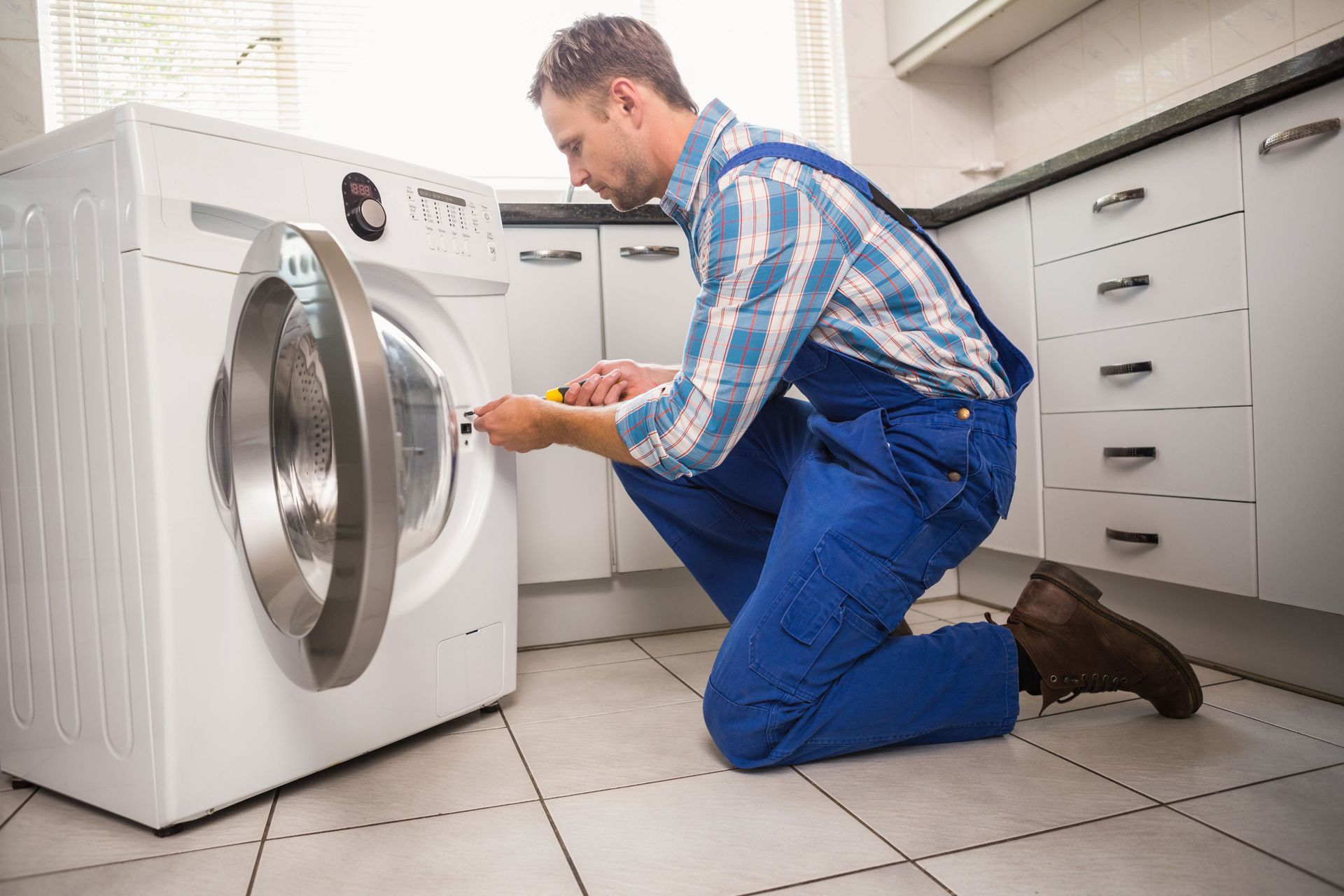
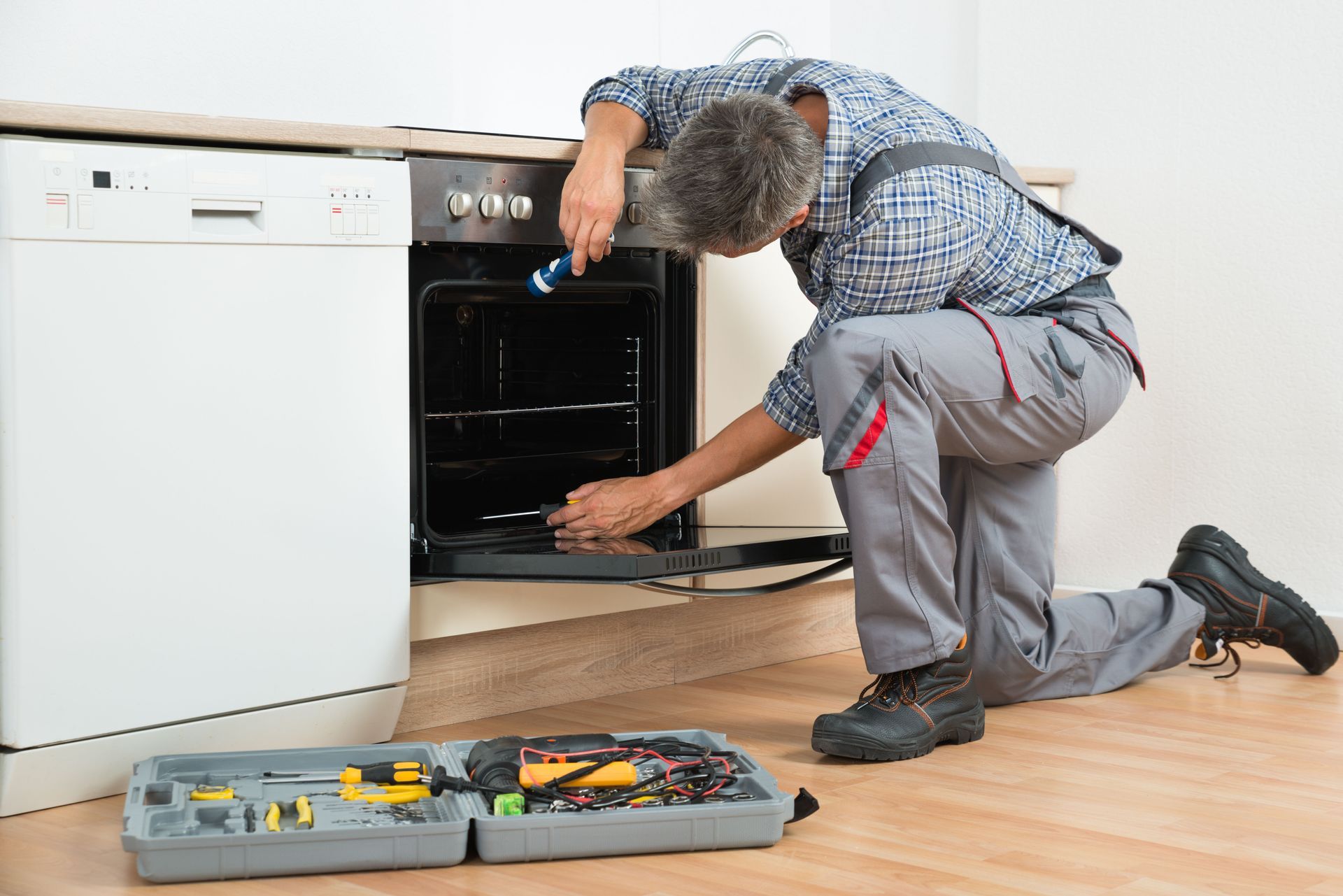
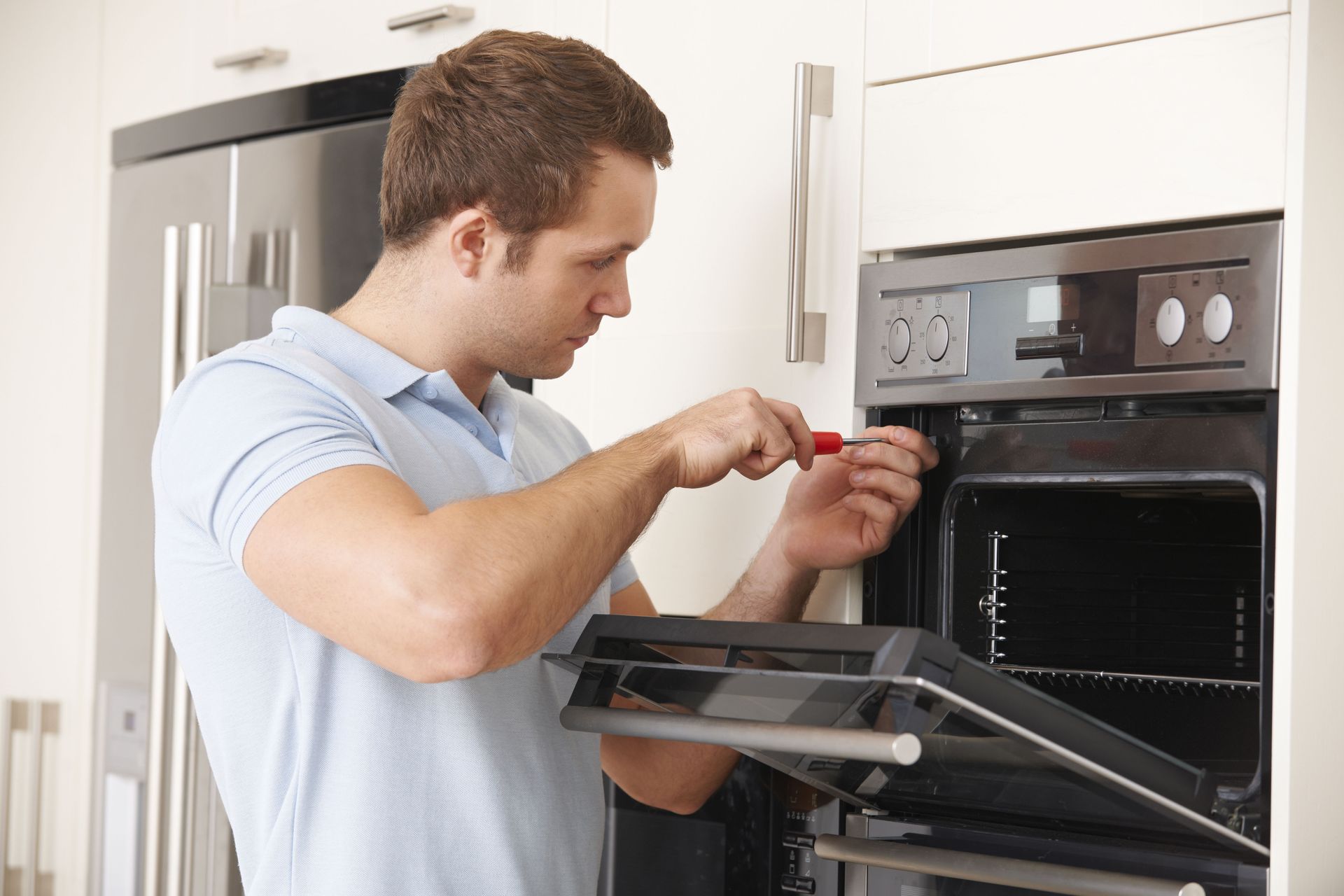
Scheduling routine inspections involving professionals can significantly benefit appliance maintenance. Having a technician assess your appliances can ensure all components are in working order and help you address potential issues early. While professional maintenance is beneficial, understanding some DIY maintenance practices can empower homeowners to handle straightforward tasks. However, it's essential to recognize DIY’s limitations and not hesitate to call in professionals for complex issues. Balancing professional assistance with DIY efforts can optimize appliance care.
Cleaning Techniques for Various Appliances
Different appliances require specific cleaning techniques to perform efficiently and last longer. Refrigerators, for instance, need regular clearing of expired foods and deep cleaning of shelves and drawers to prevent odors and bacteria growth. It's crucial to clean the condenser coils every six months to improve efficiency and prevent breakdowns. Another vital tip is to keep the refrigerator at least half full, as it helps maintain temperatures and reduces the workload on the appliance. Regular cleaning serves as an effective measure in minimizing performance issues.
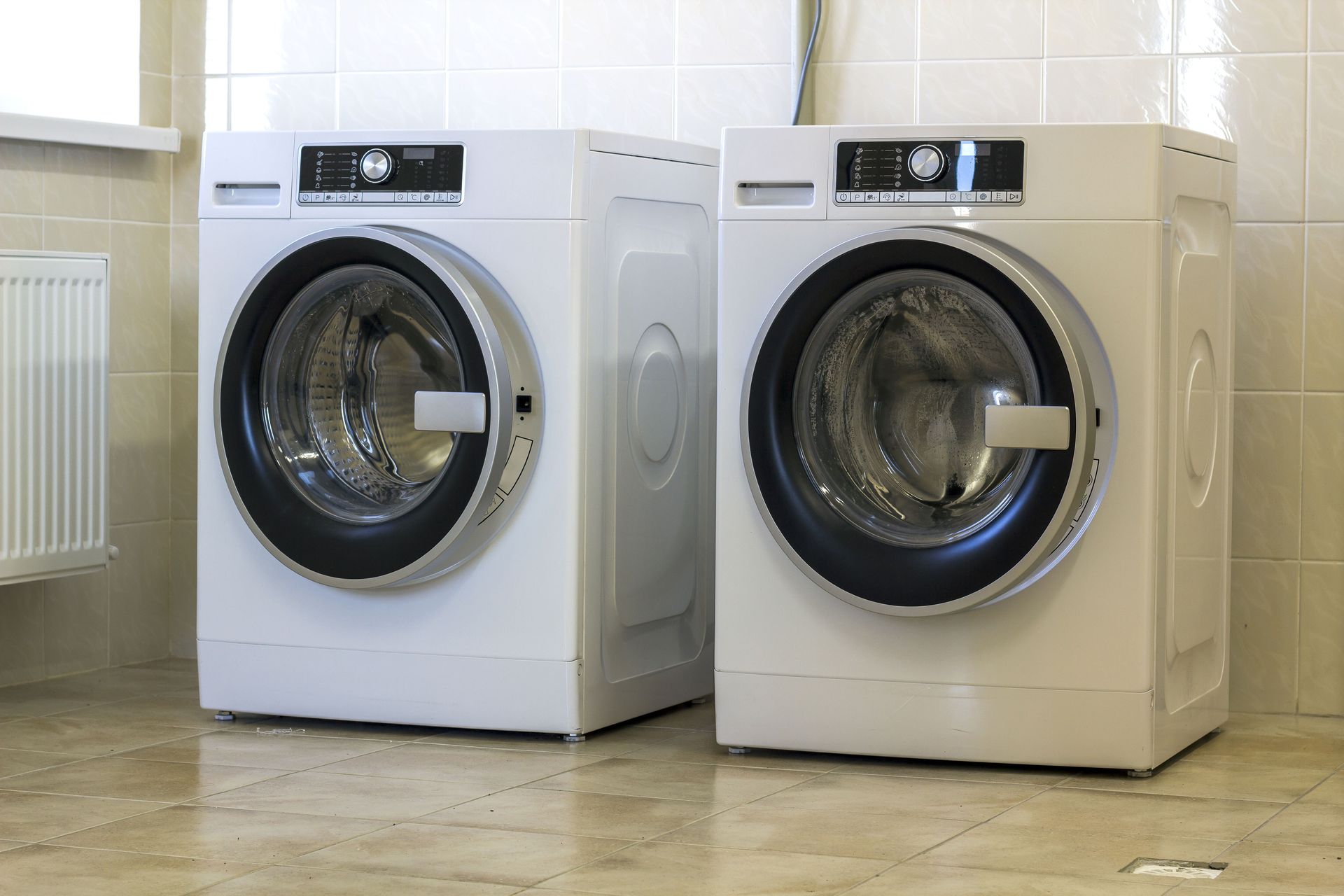
Washing machines, on the other hand, face risks of mold and mildew due to moisture retention. It’s advisable to leave the door open after to let the interior dry thoroughly. Running a monthly empty cycle with a specially formulated washing machine cleaner or white vinegar can help kill bacteria and prevent odors. Regularly cleaning the detergent drawer and filter also plays a crucial role in maintaining the machine's efficiency. These practices significantly contribute to the machine's longevity.
When it comes to dishwashers, maintaining optimal efficiency involves routine cleaning of filters to avoid clogging and enhancing water flow. Periodically run the dishwasher with a cup of vinegar or a cleaning solution to dissolve grease, grime, and mineral deposits. Ensuring spray arms are unobstructed by food particles can enhance performance and cleanliness of dishes. These simple yet effective cleaning practices contribute to extending the life of the appliance. Understanding and applying these techniques can prevent common dishwasher problems.
Section 2: Usage Best Practices
Understanding Appliance Limits
Respecting the design limitations of your appliances is essential in ensuring their longevity. Overloading washing machines, for example, puts undue stress on motor bearings and leads to premature wear. It’s vital to adhere to manufacturer guidelines concerning load capacities to avoid damage and maintain optimal efficiency. Similarly, stuffing freezers can obstruct airflow, which reduces cooling efficiency and can strain the compressor, leading to failures. Utilizing appliances within their capacity isn't just about performance; it's about preserving the appliance's health and effectiveness.
Appliance misuse also extends to improper loading techniques, such as in dishwashers. Incorrectly placing utensils and dishes can impede the movement of spray arms and lead to inefficient cleaning, requiring multiple cycles and, consequently, more wear. Staggering items and ensuring nothing blocks the detergent dispenser can enhance cleaning outcomes and extend appliance life. Knowledge of the right loading techniques contributes significantly to appliance care. It is important to foster habits that align with the operational design of the equipment.
Another key practice is ensuring small appliances, like toasters and microwaves, have proper ventilation space to prevent overheating. Appliances densely packed in non-ventilated areas can accumulate heat, leading to thermal stress and damage. Following user manual guidelines on usage settings also reduces strain on appliance systems, especially when using energy-intensive modes sparingly. Allowing appliances to rest and cool down between uses can prevent overheating and enhance performance outcomes. Thoughtful appliance usage significantly impacts their durability and effectiveness.
Energy Efficiency Considerations
Adjusting temperature settings to optimal levels not only saves energy but also alleviates unnecessary pressure on appliances, especially refrigerators and air conditioners. Keeping refrigerators at around 37°F (3°C) and freezers at 0°F (-18°C) ensures efficiency without overburdening the cooling system. Additionally, switching to energy-efficient models can substantially reduce electricity consumption. Appliances with high energy-star ratings often come with advanced features designed to conserve energy, thereby prolonging appliance life and reducing carbon footprints. Embracing these considerations today will sustain benefits in the future.
Utilizing appliances during off-peak hours can lead to cost savings and reduced wear on appliances. Many energy providers offer lower rates during specific times when demand is lower, and using appliances then reduces operational costs. Smart appliances offer advanced features to schedule operations during these times automatically, optimizing both energy use and appliance longevity. This strategy aligns with the growing consumer trends towards sustainability and affordability in home management. It's a win-win for both consumers and the environment.
Unplugging appliances when they are not in use eliminates phantom loads and minimizes wear, particularly for electronics with standby functions. This practice, though simple, translates to significant energy conservation over time. It prevents continuous power draws, reduces fire hazards, and prolongs the life cycle of home appliances. Embracing energy-conscious habits through mindfulness and technology can significantly enhance the lifecycle of appliances. The integration of smart plug devices makes monitoring easy and elevates control over energy consumption.
Section 3: Parts Replacement and Upgrades
Recognizing When to Replace Parts
Regular assessment of appliance parts is crucial to determine when replacements are necessary to prevent larger failures. Symptoms like unusual noises from refrigerators or stuttering from washing machines may signal the need for immediate attention and potential part replacement. Proactively replacing worn filters, belts, and other components can enhance appliance efficiency and prevent more significant damage. Being vigilant about performance changes can save money in the long run and avoid appliance downtime. Understanding how appliances behave when functioning correctly enhances diagnostic efficiency.
Components such as filters in air purifiers, refrigerators, and HVAC systems have finite lifespans and require periodic replacements to maintain efficiency. Over time, filters become clogged with dust and debris, causing strain on the appliance motor and reducing its lifespan. Identifying the signs of worn-out filters, such as diminished airflow or trapped odors, is key to timely maintenance. This practice proves essential in promoting healthy living spaces by ensuring cleaner air circulation. Proactive filter replacement is both a health and financial benefit.
Ensuring the longevity of your appliances requires a combination of regular maintenance, smart usage, and informed decision-making. As technological advancements and environmental considerations continue to shape the industry, staying informed and proactive in appliance care will help maximize the lifespan and efficiency of these essential tools in your home. Be sure to reach out to Cabin Hill Appliance & Service today to learn more about our professional appliance services!