June 21, 2026
Choosing the right washing machine size is not just about fitting clothes into a drum. It is about optimizing natural resource use, maximizing convenience, and ensuring long-term financial cost-effectiveness in your home. Understanding how your current lifestyle, the specific number of people in your household, and your physical washing habits affect your choice can make the decision process much easier.
The overall importance of washing machine size is often underestimated until users face chronic issues like mechanical overloading or systemic underutilization. Purchasing too small a washer risks extended wash days filled with repetitive cycles, while buying too large a capacity leads to severe water and energy inefficiency. This article provides detailed, practical insight into what factors should influence your choice in washing machine size when browsing options at a local appliance store.
There are a variety of washing machine models available on the market today, ranging from compact selections ideal for tight apartments to large industrial-scale units engineered for active families with high laundry demands. Each specific type has distinct structural advantages and financial trade-offs relevant to physical space, utility efficiency, and upfront cost. By examining various drum capacities, spatial footprints, and lifestyle features, this comprehensive guide will assist you in making an informed purchase decision.
Understanding Washing Machine Capacity
Washing machine capacity is typically measured in cubic feet. This metric indicates the absolute volume of laundry that the washer's inner drum can comfortably accommodate in a single cycle. It is essential to understand that this internal measurement directly affects how much clothing can be washed without causing mechanical strain on the machine, preventing expensive issues like motor burnout or inefficient cleaning.
A larger capacity allows for cleaning bulky items easily and suits homes with frequent and significant laundry loads. According to Consumer Reports, a large washing machine with an extra-large 6.2-cubic-foot capacity can hold 17 thick, full-sized bath towels, medium-sized washers with a capacity of more than 4.5 cubic feet fit a king-size comforter, and compact washers, which have a capacity of around 2.7 cubic feet or less, can fit about six of full-sized bath towels.
When comparing appliances at a local appliance store, it is helpful to think realistically about your regular laundry habits. Are you dealing with frequent large loads or primarily smaller, more frequent washes? Larger units make the most sense for households that combine both of these needs, while compact models are plenty for singles or couples who wash less frequently with lighter loads.
The capacity of a washing machine must closely align with your expectations for cleaning efficiency and fabric care. At the heart of this issue is the physical correlation between drum volume and the free movement of clothes and water. If there is too much empty space, water might not fully saturate the garments, while cramped space completely restricts thorough cleaning due to limited fabric movement.
Optimal capacity utilization also reduces unnecessary wear and tear on fabrics. Washing machines that are routinely jammed with inappropriate loads risk tearing or stretching garments, which can quickly escalate into increased clothing replacement costs. Hence, finding a balance in drum size is crucial for preserving both the condition of your wardrobe and the appliance's underlying longevity.
Factors to Consider Based on Household Size
In single-occupancy environments, individual washing needs are typically straightforward and can be efficiently managed by compact washing machines. These units serve the essential function of addressing personal laundry loads without capacity overkill, maintaining economical use of daily energy and water. Compact models are priced attractively, making them financially feasible for solo dwellers without budget strain.
Choosing a small capacity machine also facilitates considerable floor space savings in tight urban apartments with limited square footage. The small footprint of these appliances complements agile urban lifestyles where space optimization is just as crucial as functionality. Consulting with staff at a local appliance store can help you locate a model that provides space-saving benefits without sacrificing modern features.
For couples, selecting an appropriate washing machine involves a blend of individual preferences and shared domestic needs. A moderately sized washer with a capacity of 4.5 to 5.0 cubic feet offers a perfect harmony between accommodating dual clothing needs and making efficient use of floor space. This middle-ground solution easily handles larger household linens, such as a king-size comforter.
Furthermore, medium capacity units, with their advanced features like smart cycles and eco-friendly sensors, allow couples to optimize their washing routines. A shared appliance still permits customization through tailored cycle settings, offering flexibility while adhering to a shared household utility budget. The balance of size, cost, and advanced features makes medium-sized washers an intelligent choice.
Families with young children or multi-generational arrangements place intense demands on washing machine functionality due to the constant production of dirty laundry. A large-capacity washer becomes an indispensable tool to efficiently manage and maintain timely laundering routines. The ability to perform fewer total cycles with larger individual loads helps streamline a hectic family schedule.
In these high-volume households, an appliance engineered to withstand continuous use will ensure operational continuity and efficiency. Large-capacity washers comfortably accommodate these heavy-duty daily demands, strengthening cleaning effectiveness while maintaining long-term economic practicability. Visiting a trusted local appliance store allows large families to physically test drum accessibility and verify robust warranty options before purchasing.
Space Constraints and Structural Layouts
Understanding the physical dimensions of your laundry space is the critical initial step in choosing the perfect washing machine size. Inadequate measurement practices lead to ill-fitted appliances, resulting in uneconomical function and cramped working environments. Space misjudgment can also hinder unit door operation and restrict natural movement through hallways.
Accurate sizing guarantees the availability of suitable clearance areas for installation, facilitating optimal placement for doorway access and utility hookups. When exploring options at a local appliance store, make sure to account for the depth needed for rear hoses and ventilation. Sound preparation in dimensions ensures long-term functionality and complete harmony with your residential layout.
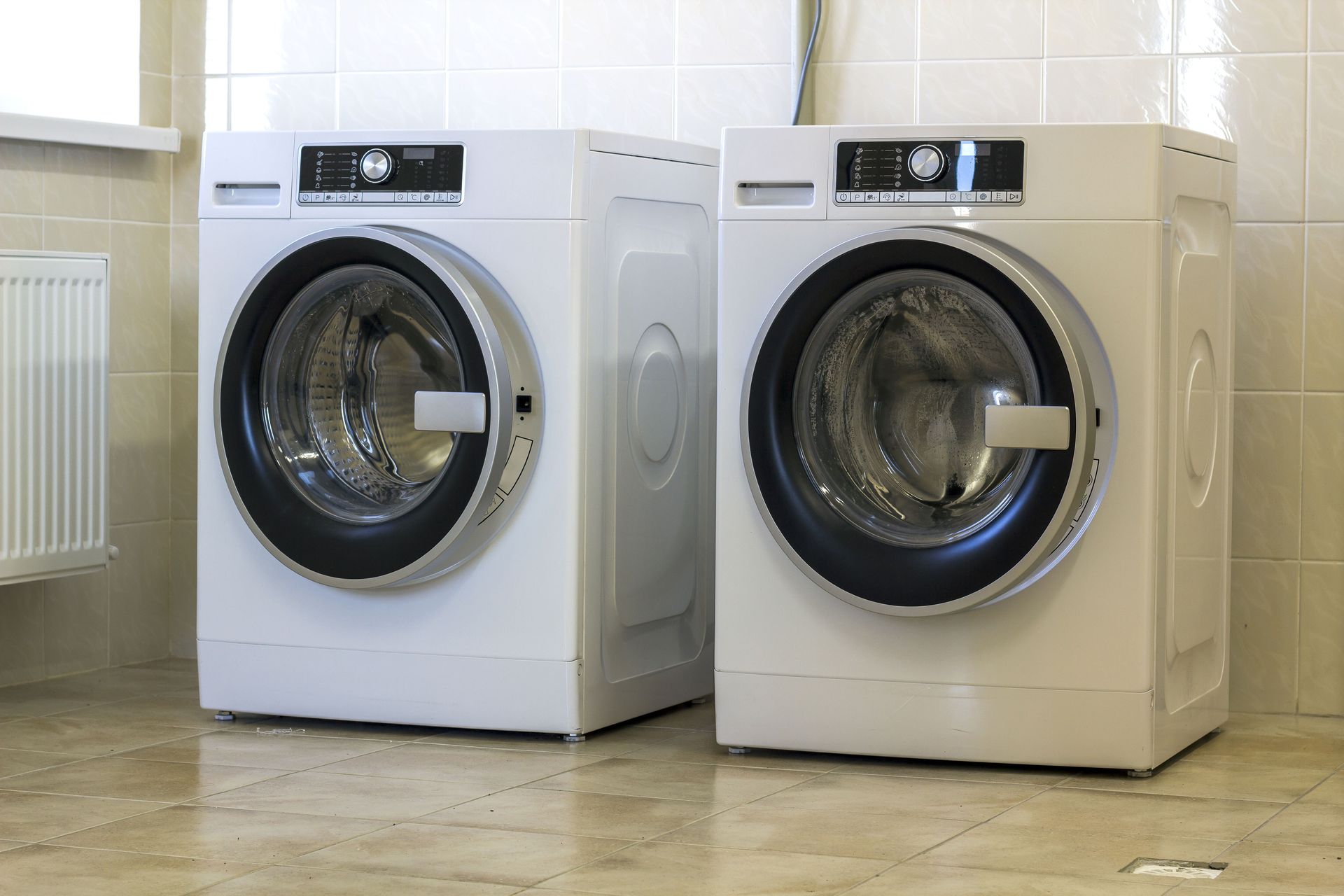
Top-loading and front-loading washing machines serve distinct residential needs based on your home's unique space constraints. Front-loading machines are exceptionally popular because they offer vertical stackability with compatible dryers, allowing homeowners to economize precious floor space in height-restricted laundry closets. Their horizontal drum design is perfect for tight quarters.
Conversely, top-loading washers require sufficient overhead clearance to fully accommodate the opening of the lid. They are ideal for homes with broader room layouts that enable the lateral expansion of usable laundry space. Speaking to an expert at a local appliance store can clarify which configuration matches your home's physical parameters.
Apartment living challenges tenants to counter the limited deployment of functional laundry equipment. Compact washers address these needs perfectly, offering optimum capacity without intruding on main living areas. Their minimalist footprint is highly congruent with the imperatives of modern, neatly integrated urban living environments.
Finding the perfect washing machine size requires a careful balance of your household's daily laundry volume, physical space constraints, and long-term utility budget. From compact 2.7-cubic-foot units that slide easily into urban apartments to extra-large 6.2-cubic-foot powerhouses built for busy families, the right choice prevents mechanical strain and cuts down on utility bills. Do not leave this important decision to online guesswork; visiting a local appliance store allows you to physically measure units, compare configurations, and secure expert guidance. For unparalleled appliance expertise, tailored sizing advice, and professional installation services that protect your investment, trust the dedicated team at Cabin Hill Appliance & Service to upgrade your laundry room today.