August 11, 2026
The kitchen is one of the busiest spaces in any home, making reliable appliances essential for everyday convenience. Whether you are replacing a single appliance or planning a complete kitchen update, choosing the right products requires careful consideration. New appliances can improve functionality, enhance energy efficiency, and complement your home's design. With so many models and features available, it helps to understand what factors should influence your decision before making a purchase. Budget, household needs, available space, and long-term performance all play important roles in selecting the right equipment. Visiting an appliance store allows homeowners to compare options and learn more about features that fit their lifestyle. By taking the time to research your choices, you can invest in appliances that provide dependable performance for years to come. Here are several important considerations to keep in mind before upgrading your kitchen appliances.
Evaluate Your Household's Daily Needs
Every household uses its kitchen differently, so appliance selection should begin with understanding your daily routines. A family that cooks multiple meals each day may have different priorities than someone who prepares quick meals occasionally. Consider how often appliances are used and which features would improve convenience during everyday tasks. Storage capacity, cooking preferences, and available counter space can all influence your purchasing decisions. It is also helpful to think about future needs, especially if your household is expected to grow or your lifestyle may change. Choosing appliances that fit your current and future requirements can help avoid unnecessary replacements later. An appliance store can provide information about different models that accommodate a variety of household sizes and cooking habits. Starting with your daily needs creates a solid foundation for making practical purchasing decisions.
Measure Your Kitchen Before Shopping
Proper measurements are essential before purchasing any new kitchen appliance. Even attractive, high-performing models may not fit correctly if available space is overlooked. Measure the height, width, and depth of each appliance opening while also accounting for clearance needed for doors and ventilation. Homeowners should also consider pathways, hallways, and entry doors to ensure appliances can be delivered safely into the home. Existing cabinetry and countertops may influence which appliance sizes are appropriate. Double-checking measurements helps reduce delays, additional costs, and installation challenges. Visiting an appliance store with accurate dimensions allows staff to recommend products that match your available space. Careful planning helps create a smoother installation process and minimizes unexpected surprises.
Compare Energy Efficiency Features
Energy efficiency has become an important consideration for many homeowners purchasing new appliances. Modern refrigerators, dishwashers, ovens, and other kitchen equipment often include features designed to reduce electricity and water consumption. Lower utility costs over time can help offset the initial investment in newer models. According to Market.us, citing American Home Shield, nearly 50% of homeowners intend to purchase new appliances, with many planning upgrades and a significant number specifically seeking more energy-efficient replacements. This trend reflects the growing interest in products that combine performance with long-term savings. Looking for energy certifications and comparing estimated operating costs can help narrow your choices. An appliance store can explain efficiency ratings and help homeowners understand the differences between available models. Investing in energy-efficient appliances benefits both household budgets and environmental sustainability.
Compare Available Appliance Features
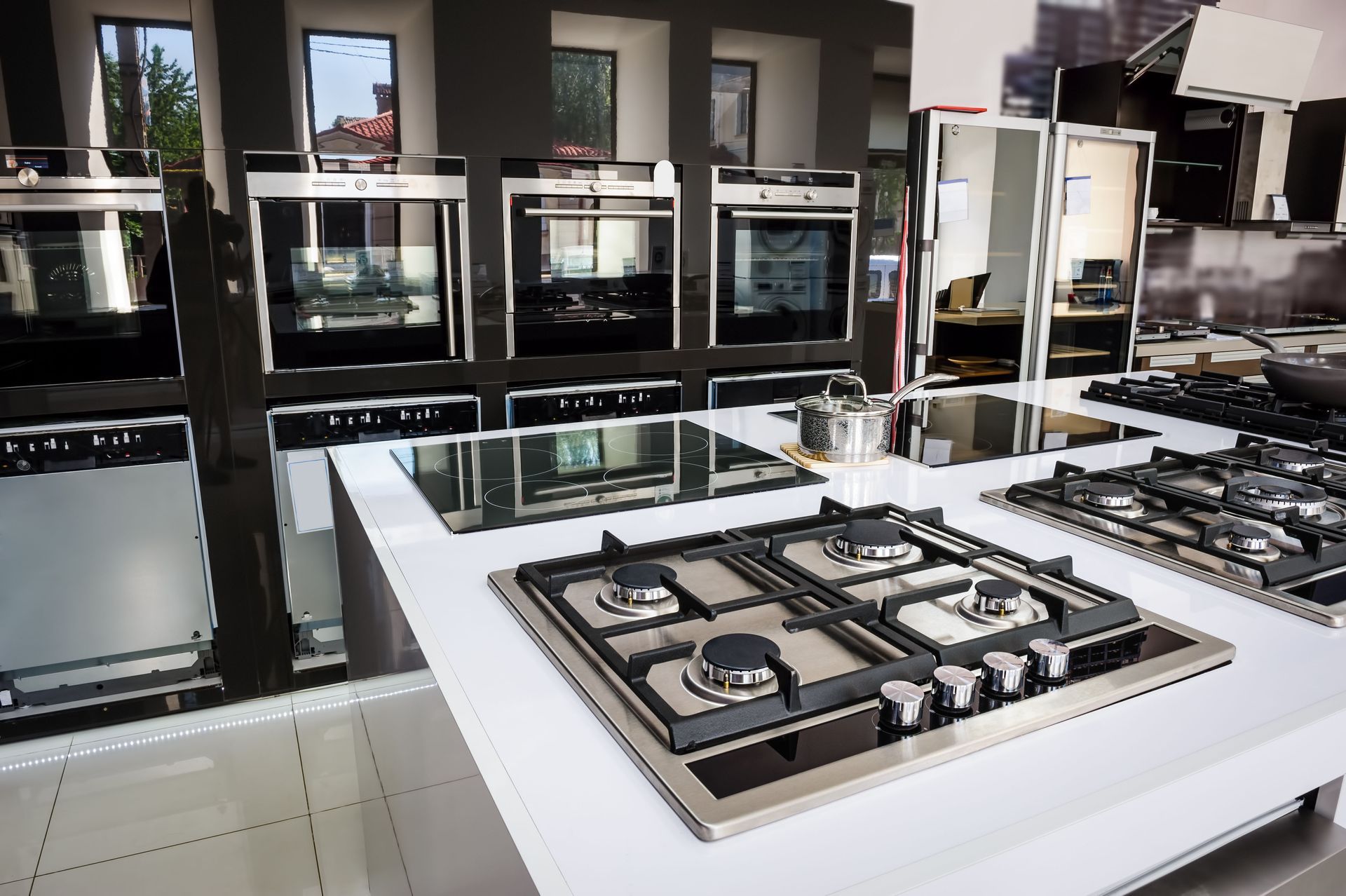
Today's kitchen appliances include a wide variety of features that improve convenience and performance. Smart technology, flexible storage options, adjustable cooking settings, and specialized wash cycles are just a few examples. While advanced features may seem appealing, homeowners should consider which ones they are likely to use regularly. Paying for unnecessary functions may increase costs without providing meaningful value. Reading product specifications and comparing multiple models can help identify practical options. Household cooking habits should guide decisions about which features deserve the greatest attention. An appliance store often allows customers to compare products side by side before making a final decision. Selecting appliances with useful features helps maximize long-term satisfaction.
Coordinate Appliances With Kitchen Design
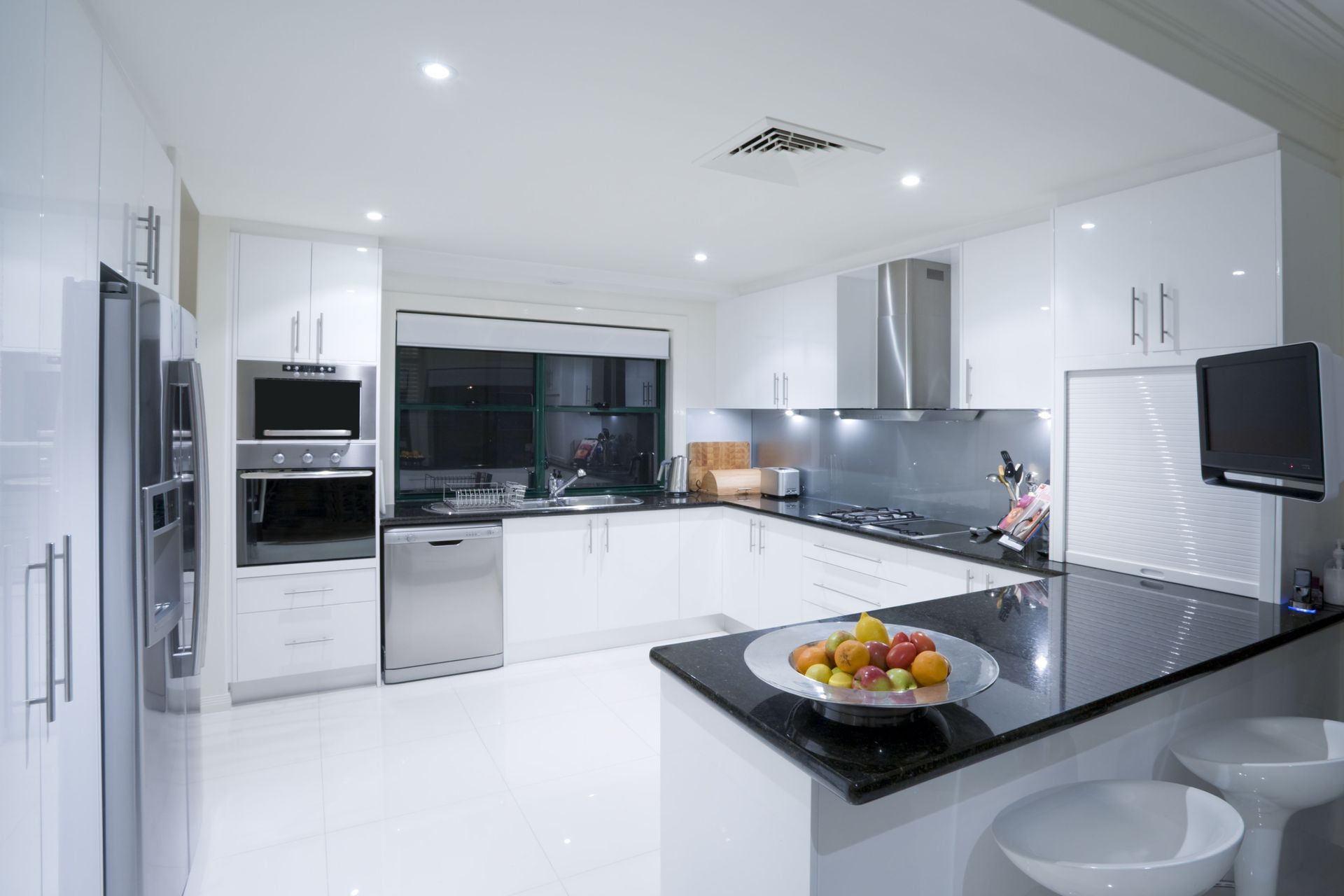
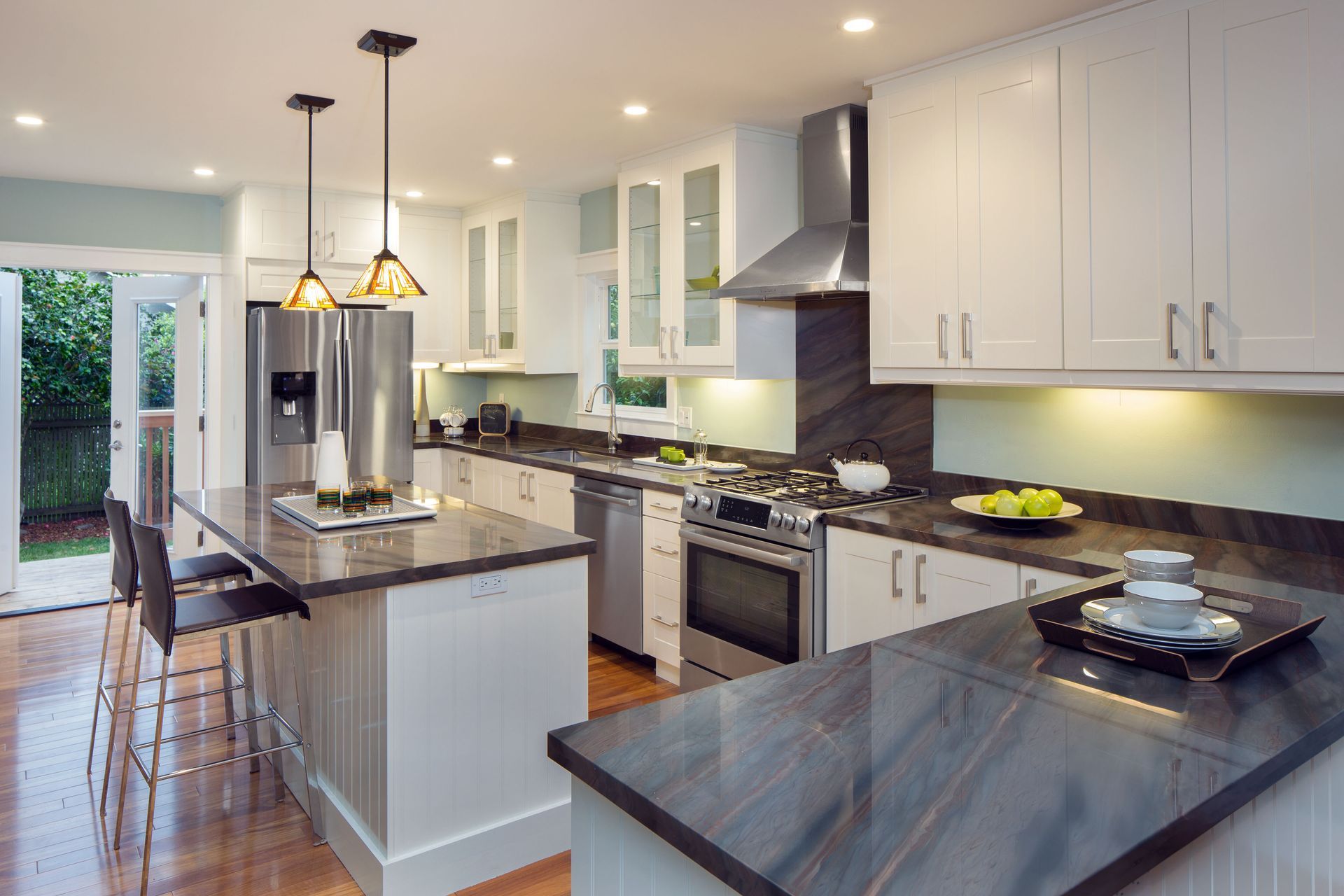
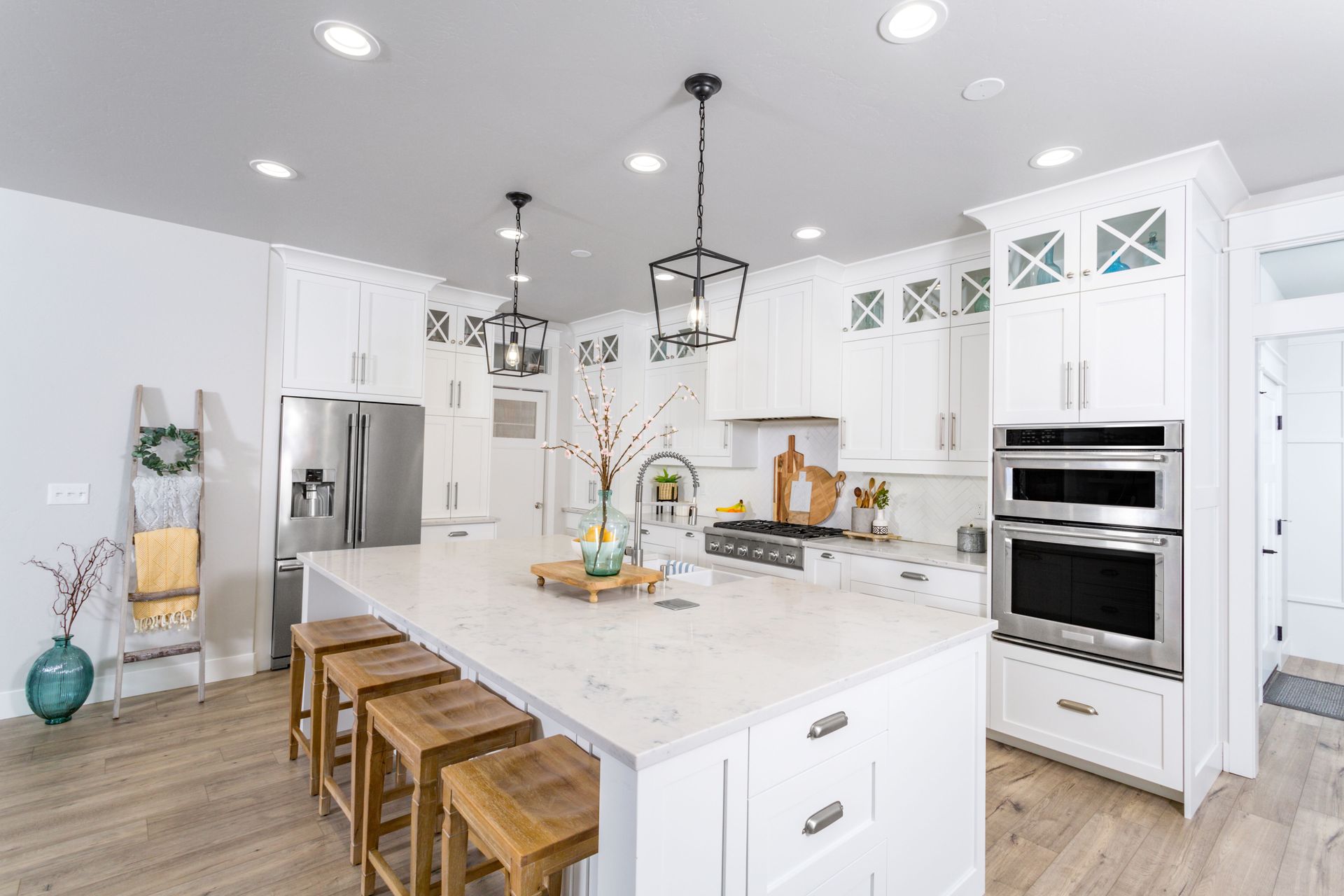
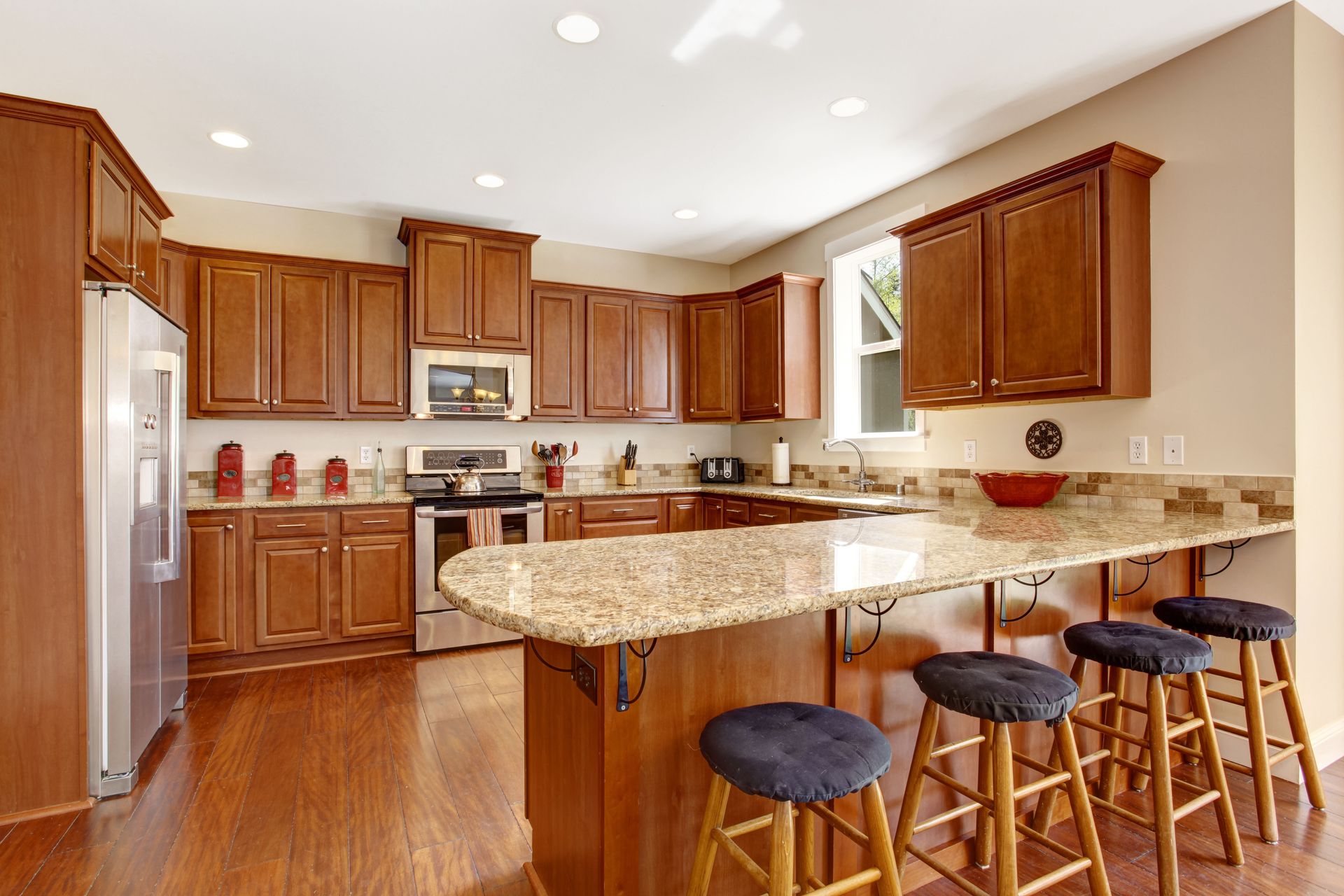
New appliances should complement both the functionality and appearance of your kitchen. Color, finish, handle style, and overall design all contribute to creating a cohesive space. Stainless steel remains a popular option, but many homeowners also consider black, white, or panel-ready finishes depending on their design preferences. Matching appliance styles can help create a more polished and coordinated appearance throughout the kitchen. Existing cabinets, countertops, flooring, and lighting should also be considered when selecting finishes. A thoughtful approach ensures that new appliances blend naturally with surrounding design elements. Visiting an appliance store gives homeowners an opportunity to view different finishes in person before making a selection. Coordinating style with function creates a kitchen that is both attractive and practical.
Understand Installation Requirements
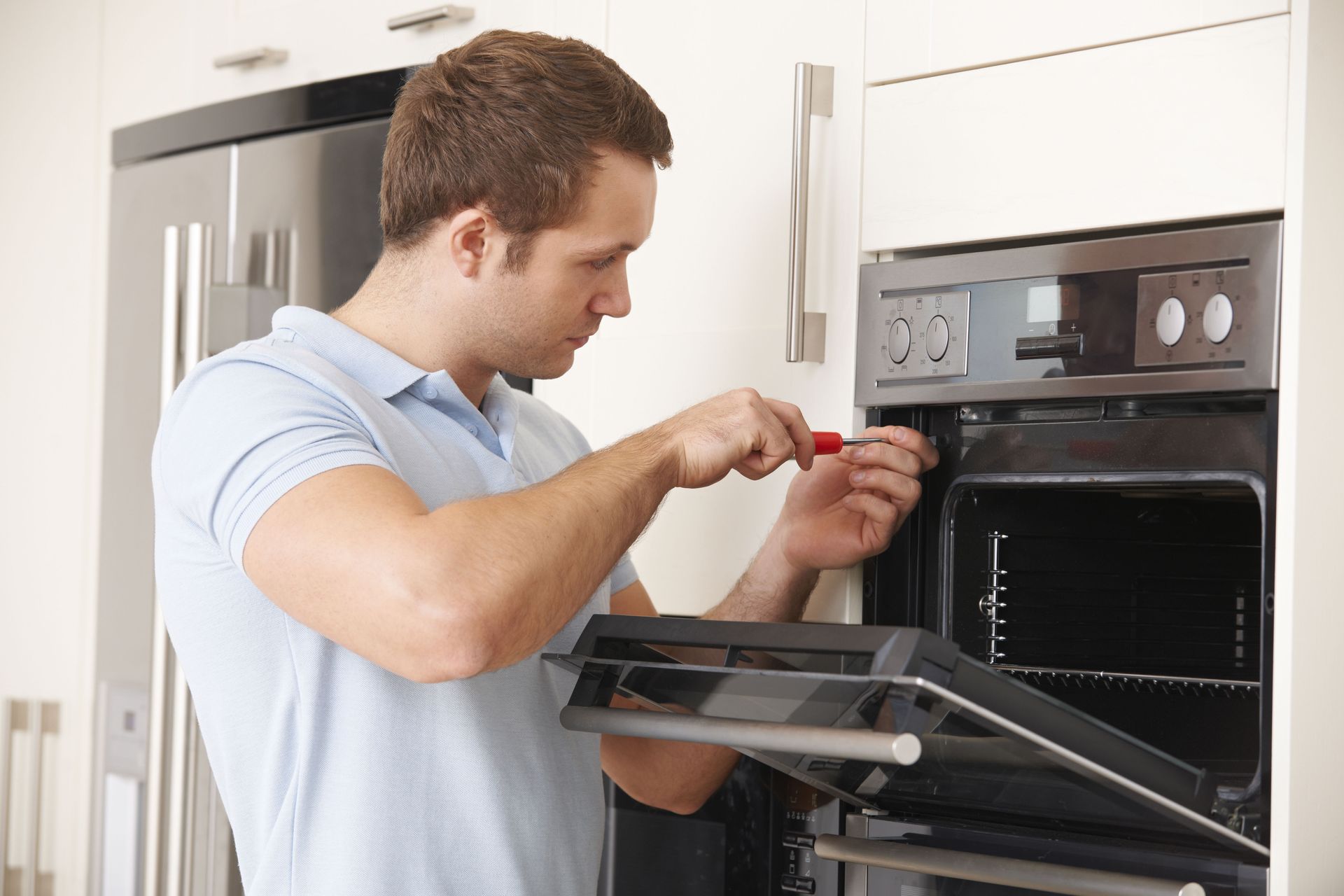
Proper installation plays a significant role in the performance and longevity of kitchen appliances. Different appliances may require electrical upgrades, plumbing connections, gas lines, or ventilation adjustments before installation. Understanding these requirements in advance helps homeowners avoid delays after delivery. Some older homes may require modifications to accommodate newer appliance models safely. Reviewing installation guidelines before purchasing ensures greater compatibility with existing systems. Planning ahead also allows time to schedule any necessary home improvements before installation day arrives. An appliance store can provide product specifications that help homeowners prepare appropriately. Careful preparation contributes to a smoother installation experience and reliable appliance performance.
Plan for Long-Term Maintenance
Every kitchen appliance requires some level of maintenance to continue operating efficiently. Cleaning filters, inspecting seals, replacing water filters, and following manufacturer recommendations all contribute to long-lasting performance. Regular maintenance also helps identify minor issues before they develop into expensive repairs. Homeowners should review maintenance requirements before selecting new appliances to understand ongoing responsibilities. Choosing products with accessible components can make routine care easier over time. Manufacturer guidelines provide valuable information about recommended maintenance schedules and cleaning procedures. An appliance store can answer questions about maintenance expectations for different appliance models. Consistent care helps protect your investment while extending the life of your kitchen equipment.
Some appliances may also offer optional extended protection plans for additional peace of mind. Reading the warranty terms carefully helps clarify maintenance requirements and any conditions that could affect coverage. Keeping warranty documents and purchase records organized can make future service requests easier to manage. An appliance store can explain the warranty options available for different appliance brands and models. Reviewing warranty coverage before buying helps homeowners make more informed purchasing decisions and better protect their long-term investment.
Purchasing new kitchen appliances is a significant investment that deserves careful planning. Comparing multiple models, researching product specifications, and evaluating long-term value helps homeowners make informed decisions. Price should certainly be considered, but overall performance, efficiency, durability, and warranty coverage are equally important factors. Taking time to compare available options reduces the likelihood of buyer's remorse later. Asking questions and gathering information before making a purchase can lead to greater satisfaction with your final selection. Shopping with trusted professionals helps simplify the decision-making process while providing valuable product knowledge. An
appliance store offers the opportunity to evaluate products in person and compare available choices more effectively. Making thoughtful purchasing decisions helps ensure your upgraded kitchen continues meeting your family's needs for years to come.
If you're planning to upgrade your kitchen appliances, Cabin Hill Appliance & Service can help you explore options that fit your home, budget, and lifestyle. Their knowledgeable team is available to answer questions and help you compare products designed for dependable everyday performance. Contact us today to learn more about available appliances and find the right solutions for your next kitchen upgrade.