September 17, 2026
Kitchen appliances shape daily household routines, from storing groceries to preparing meals and cleaning afterward. When an older refrigerator, stove, dishwasher, or microwave becomes unreliable, ordinary tasks can take extra time. Replacing that appliance offers an opportunity to solve the immediate problem while choosing features that better suit the household. The decision can affect convenience, energy use, food storage, appearance, and everyday performance.
A thoughtful purchase involves more than selecting the newest model or most prominent feature. Available space, cooking habits, household size, preferred controls, and maintenance needs all influence whether an appliance will be a practical fit. Visiting an appliance store allows shoppers to compare models and ask how specific functions work. The following reasons explain how new kitchen appliances can support a more functional kitchen.
More Dependable Everyday Performance
An unreliable appliance can interrupt routines before it stops working. A refrigerator may struggle to maintain a steady temperature, a stove may heat unevenly, a dishwasher may leave residue, or a microwave may require repeated cycles. As a result, meal preparation and cleanup become less predictable. A model selected for the household's actual needs can provide more consistent operation and reduce these disruptions.
Reliability also depends on choosing the right type and capacity rather than assuming every model will work equally well. A household that cooks frequently may value responsive burners and precise oven controls, while another may prioritize refrigerator organization or dishwasher capacity. Staff at an appliance store can explain relevant differences among available models. Careful comparison helps buyers focus on useful performance rather than appearance or novelty.
Greater Energy Efficiency
Modern appliances may use electricity, gas, or water more efficiently than older units, although performance varies by model and operating habits. Updated insulation, temperature management, wash sensors, and efficient heating systems can reduce wasted resources. Efficient operation is particularly relevant for refrigerators, which run continuously, and dishwashers, which manage both water and heat. Energy labels and manufacturer specifications help shoppers compare similar products.
Efficiency should be considered alongside size and function. An oversized refrigerator or dishwasher may not be the most suitable choice simply because it is newer, and an appliance's settings can influence its resource use after installation. Knowledgeable staff at an appliance store can help shoppers compare capacity, operating features, and published efficiency information. This approach connects the appliance's design with the way the household expects to use it.
Better Food Storage and Organization
A refrigerator has a direct role in how food is stored, arranged, and kept at an appropriate temperature. Newer designs may include adjustable shelving, flexible door storage, temperature-controlled compartments, and layouts that make frequently used items easier to reach. Options such as French-door, side-by-side, and top-freezer configurations also organize space differently. Selecting among them requires attention to grocery habits, kitchen clearances, and the amount of fresh or frozen food the household typically keeps.
Better organization can make it easier to see what is available before shopping or preparing a meal. Compartments that fit common containers, shelves that adjust for tall items, and lighting that reaches the back can make storage more practical. When comparing refrigerators at an appliance store, buyers can examine the interior and consider whether drawers, shelves, and door bins match their routines. Exterior dimensions remain equally important because the unit must fit its opening and surrounding doors.
Easier and More Precise Meal Preparation
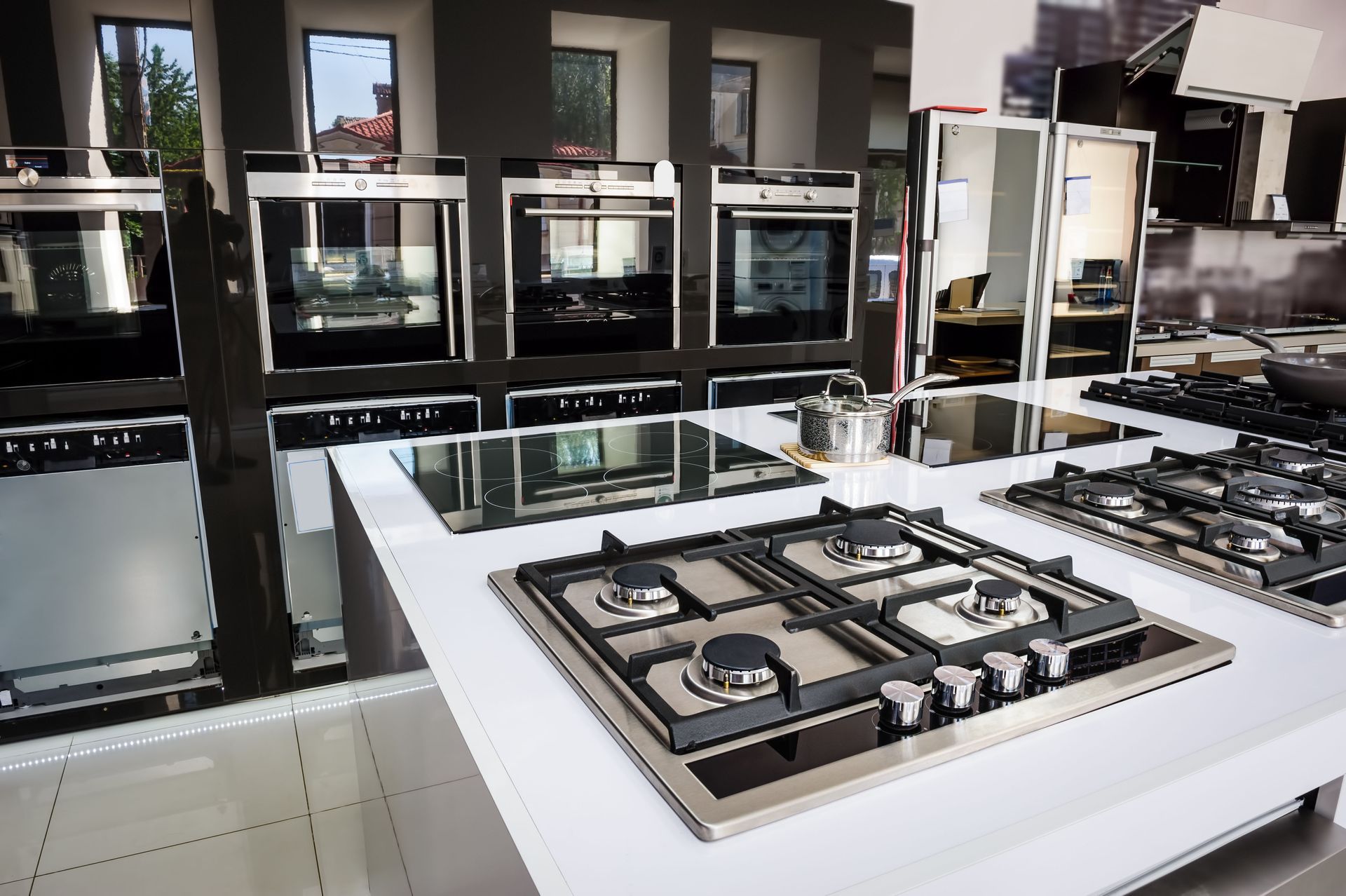
New stoves, ranges, ovens, and microwaves can offer controls designed to make cooking more consistent. Depending on the model, useful features may include precise temperature settings, responsive gas or electric cooking surfaces, sensor cooking, and convenient reheating options. These functions can reduce guesswork during common tasks, but their value depends on whether they match the foods and methods a household uses. A feature that supports everyday cooking is generally more meaningful than one that will rarely be selected.
According to the Federal Reserve Bank of St. Louis, seasonally adjusted U.S. advance sales in the electronics and appliance retail category totaled approximately $10.6 billion in April 2026. The figure points to continued activity in a market where consumers can encounter many models and feature combinations. With so much variety available, careful comparison becomes particularly important. Shoppers benefit from identifying their preferred fuel type, dimensions, controls, capacity, and cooking functions before choosing a stove or microwave.
Faster, More Convenient Cleanup
A dishwasher designed around current household needs can make post-meal cleanup more manageable. Adjustable racks may accommodate tall glasses, cookware, or unusually shaped items, while wash-cycle options can address different load types. Some models also use sensors to adjust a cycle according to conditions inside the machine. The most useful options are those that suit the household's dishes and cleaning habits, rather than simply increasing the number of available functions.
Capacity and layout deserve as much attention as cleaning features. Buyers can bring measurements and think through where large plates, bowls, utensils, and cooking tools would fit inside a prospective model. Comparing rack movement, control placement, and cycle options at an appliance store can reveal differences that are difficult to judge from a basic product image. A suitable dishwasher can support a smoother cleanup routine without creating new loading or space limitations.
A More Coordinated Kitchen Design
Appliances occupy a substantial amount of visual space, so replacing them can change the overall character of a kitchen. Coordinated finishes, handle styles, control panels, and proportions can create a more cohesive appearance, whether the goal is a modern look or a quieter update. New units may also fit a redesigned layout better than older models with dimensions or door clearances that no longer work well. Appearance matters most when it is balanced with practical considerations.
Measurements should account for more than the width and height of the opening. Refrigerator doors need room to open, dishwasher doors extend into walkways, and stove controls must remain accessible. Retail staff can help shoppers review product dimensions and compare coordinated models before making a selection. Considering installation conditions early can prevent an appealing choice from interfering with movement or nearby cabinetry.
Options Better Matched to Current Needs
Household routines change over time. A growing family may need greater refrigerator or dishwasher capacity, while a smaller household may prefer a compact arrangement with straightforward controls. Changes in cooking frequency, mobility, kitchen layout, or food-storage habits can also make a once-suitable appliance less practical. Replacement offers an opportunity to choose a model based on present needs instead of continuing to adapt to limitations established years earlier.
Buying multiple appliances at the same time can also make it easier to compare finishes, dimensions, controls, and complementary features across the kitchen. Shoppers may be able to explore coordinated packages while still selecting each unit according to its individual function. Discussing these priorities with an appliance store can clarify which models work well together and which differences matter more than visual consistency. Delivery, installation, removal of old units, and access to ongoing service are also useful considerations when planning the transition.
New kitchen appliances can improve daily routines when their capacity, features, dimensions, and design reflect how a household actually uses the space. A careful comparison of practical needs helps turn replacement into a lasting improvement rather than a decision based only on age or appearance. At Cabin Hill Appliance & Service, we offer refrigerators, stoves, dishwashers, and microwaves. Contact our appliance store to find what you need!